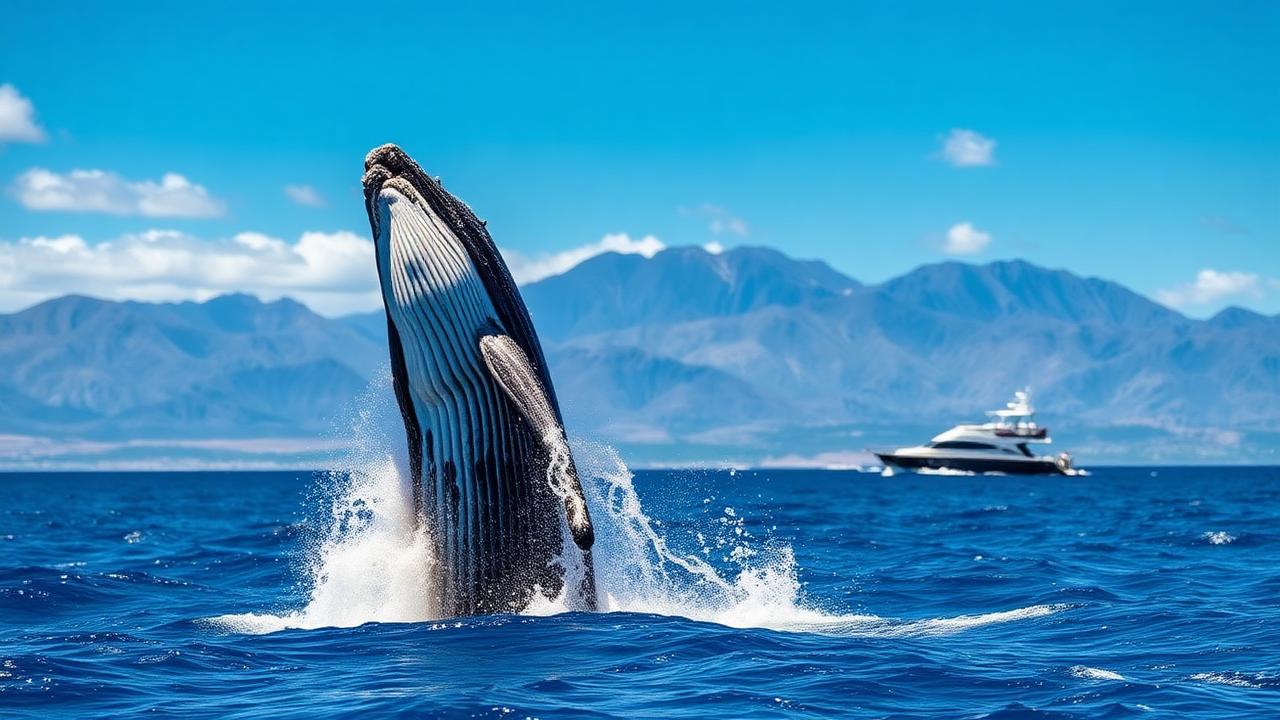
When Is Whale Season in Hawaii?
Humpback whales arrive in Hawaiian waters in late November and stay through early May, with peak season running from mid-January through March. During peak weeks, an estimated 10,000+ whales occupy the shallow, warm channels between the islands. The NOAA Hawaiian Islands Humpback Whale National Marine Sanctuary monitors and protects these magnificent animals.
The whales migrate roughly 3,500 miles from Alaska to Hawaii's protected waters to give birth and nurse their calves. The warm, shallow water between Maui, Molokai, Lanai, and Kahoolawe — known as the Au'au Channel — is one of the most important humpback breeding grounds on Earth.
Sighting probability by month: December (60-70%), January (85-90%), February-March (95%+), April (70-80%), May (30-40%). If you're visiting specifically for whales, February is the sweet spot. Plan your trip timing with our best time to visit Hawaii guide.
Best Islands for Whale Watching
Not all islands are equal for whale encounters.
Whale Watching by Island
Ready to Plan Your Hawaii Trip?
As your personal travel agent in San Jose, I handle every detail so you can focus on making memories. Free consultation, no obligation.
Shore Watching vs. Boat Tours
Here's the honest comparison to help you decide.
- Shore watching is free and surprisingly effective during peak season. From elevated vantage points, you can spot spouts, breaches, and tail slaps. During February-March, you might see 20+ whales from a single lookout point.
- Best shore spots on Maui: Papawai Point (Mile Marker 8), McGregor Point, Wailea beach walk, Ka'anapali Beach. On Oahu: Makapu'u Lighthouse Trail, Diamond Head. On Kauai: Kilauea Lighthouse, Poipu cliffs.
- Boat tours get you within 100 yards (the legal minimum). You'll see breaching, spy-hopping, and mother-calf pairs up close. Many boats use hydrophones so you can hear whale songs underwater — haunting and unforgettable.
- Tour prices range from $40-80/person for a 2-hour trip. Pacific Whale Foundation (Maui) is the gold standard — a nonprofit that funds research with tour proceeds. Captain Steve's Rafting Adventures offers zodiac-style tours that get closer to the water.
- Tip: morning tours have calmer seas and better light for photography. Afternoon wind chop makes the ride rougher and spray gets on camera lenses.
- Motion sickness warning: if you're prone, take Dramamine 30 minutes before departure. The Au'au Channel can get choppy even on mild days.
What You'll Actually See
During peak season, whale activity is remarkable. You'll hear locals say 'there's nothing like your first breach' and they're right.
- •Breaching — A 40-ton whale launching itself completely out of the water. Dramatic, unpredictable, and one of the most powerful things you'll ever witness. Most common during peak season.
- •Tail slaps (fluke slaps) — Whales slapping their tail fins on the surface repeatedly. Possibly communication or play. Loud enough to hear from shore.
- •Spy-hopping — A whale poking its head vertically out of the water to look around. Feels like it's looking directly at your boat. Surprisingly intimate.
- •Mother-calf pairs — Newborn calves (born in Hawaiian waters) swimming alongside their mothers. Calves are 10-15 feet long at birth and incredibly curious about boats.
- •Whale songs — If your tour has a hydrophone, you'll hear the males' haunting songs underwater. Complex, beautiful, and scientifically still not fully understood.
- •Competition pods — Groups of males competing for a female's attention. Aggressive, fast, dramatic. Think of it as a humpback demolition derby. Rare but incredible when witnessed.
Rules and Responsible Whale Watching
Hawaii takes whale protection seriously. Here's what you need to know.
Federal law requires all vessels to maintain at least 100 yards from humpback whales (200 yards for NOAA research permit holders). Boats are prohibited from pursuing or intercepting whales. The Hawaiian Islands Humpback Whale National Marine Sanctuary enforces these rules aggressively.
Choose operators who follow NOAA guidelines, use certified naturalists on board, and don't chase whales. Pacific Whale Foundation, Trilogy, and the Hawaiian Sailing Canoe Adventures all have excellent reputations for responsible whale watching.
If a whale approaches your boat (which happens — they're curious), the operator must cut the engine and wait. Some of the best encounters happen this way — a mother bringing her calf over to investigate the strange floating thing.
Frequently Asked Questions
Ready to Plan Your Hawaii Trip?
As your personal travel agent in San Jose, I handle every detail so you can focus on making memories. Free consultation, no obligation.
Related Articles
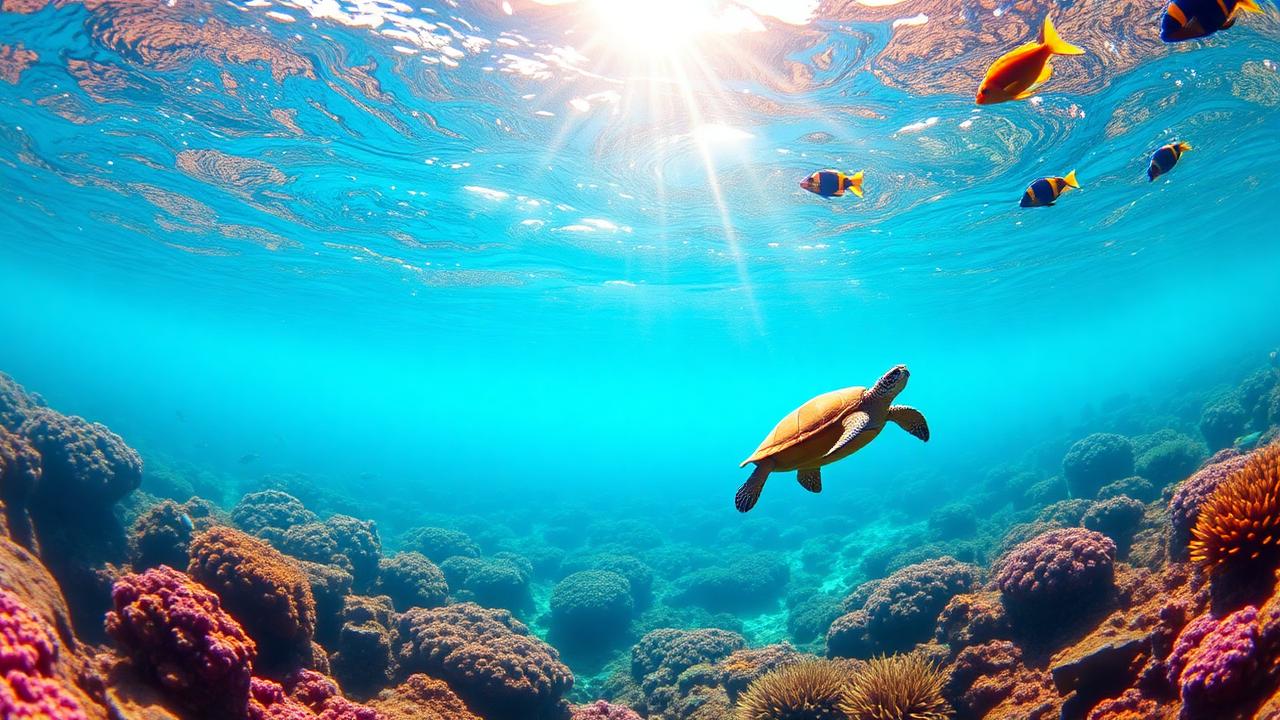
Best Snorkeling in Hawaii: A Complete Island-by-Island Guide
Each Hawaiian island offers completely different snorkeling experiences. Here's where to go, what you'll see, and how to choose the right spots for your skill level.
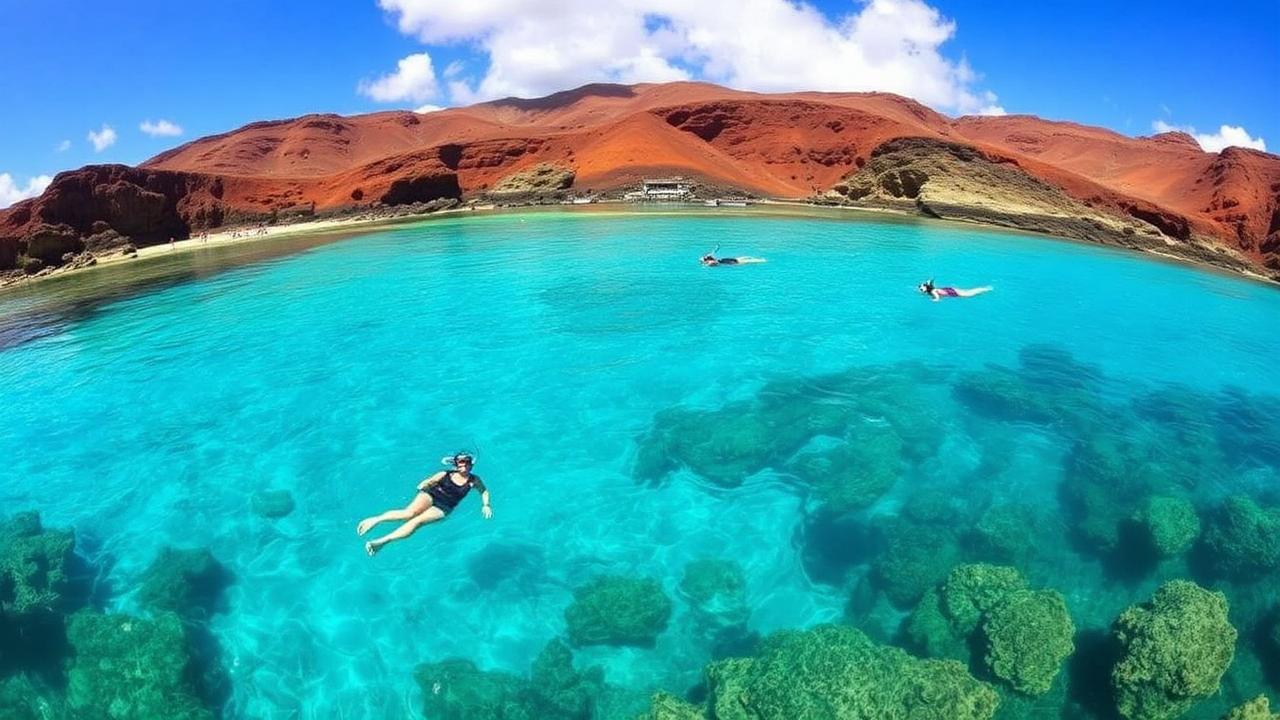
Best Snorkeling on Oahu: 10 Spots from Beginner to Advanced
From the famous Hanauma Bay to hidden reef breaks on the North Shore, here are the best places to snorkel on Oahu for every skill level.
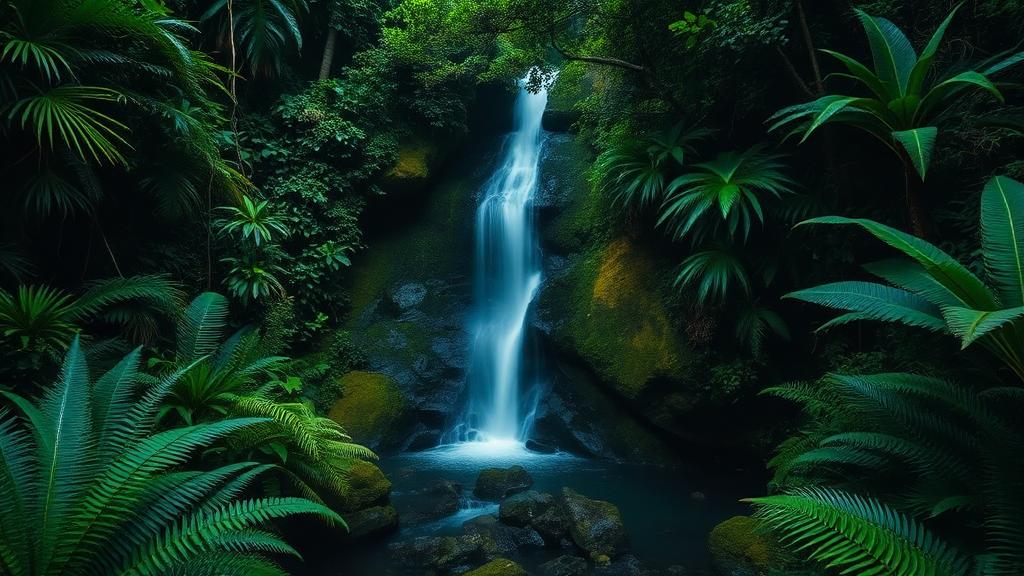
Hidden Gems in Hawaii: The Best Kept Secrets on Every Island
Each Hawaiian island hides incredible spots most tourists never find. Here's an overview of the best hidden gems on Oahu, Maui, the Big Island, and Kauai—with links to our deep-dive guides for each island.