Why Hawaii Is One of the Best Snorkeling Destinations on Earth
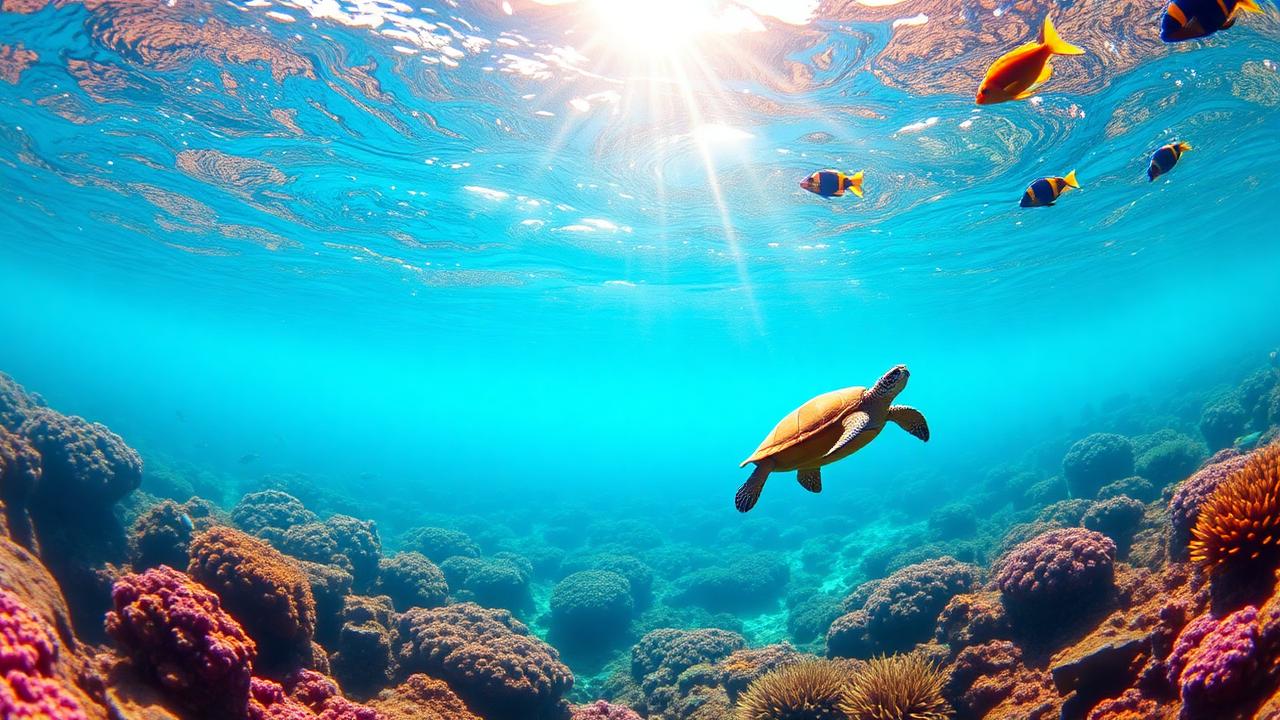
Hawaii sits in the middle of the Pacific Ocean, surrounded by coral reefs, volcanic rock formations, and some of the clearest water in the world. The NOAA Coral Reef Information System tracks reef health across all Hawaiian islands. The marine life is extraordinary—over 500 species of tropical fish, Hawaiian green sea turtles at nearly every beach, spinner dolphins, manta rays, and during winter months, humpback whales.
But not all snorkeling in Hawaii is created equal. Each island has a completely different underwater landscape, and the best spots vary dramatically by season, weather, and skill level. A beginner who shows up at a shore break with a cheap mask will have a miserable time, while the same person at a calm, protected bay would have a life-changing experience.
We've created detailed snorkeling guides for each island: Oahu, Maui, Big Island, and Kauai. Here's an overview to help you decide where to go.
Snorkeling by Island at a Glance
Each island excels at different types of snorkeling.
Snorkeling Island Comparison
Ready to Plan Your Hawaii Trip?
As your personal travel agent in San Jose, I handle every detail so you can focus on making memories. Free consultation, no obligation.
Snorkeling Gear Tips for Hawaii
What you need and what's a waste of money.
- •Bring your own mask and snorkel — rental gear is often foggy and ill-fitting. A $30-50 mask from Amazon fits better than a $15 rental. Fins optional for calm bays.
- •Reef-safe sunscreen is legally required in Hawaii. Brands containing oxybenzone and octinoxate are banned. Apply 15 minutes before entering water.
- •A rash guard is better than sunscreen for your back — you'll be face-down for hours and won't notice the burn until it's too late.
- •Anti-fog drops or baby shampoo rubbed inside the mask prevents fogging. The spit trick works but not as well.
- •Water shoes are essential for rocky entries like Two Step on the Big Island. Coral cuts get infected easily in tropical water.
- •A GoPro or waterproof phone case is worth bringing — you'll see things worth capturing. Most rental shops on every island offer GoPro rentals for $30-50/day.
Safety Rules That Save Lives
Hawaii's ocean demands respect. Beautiful conditions can change quickly.
- Never snorkel alone. Even experienced swimmers should have a buddy. Currents can pull you offshore without warning.
- Check conditions before entering. If waves are over 3 feet, shore snorkeling becomes dangerous. Use Surfline or the Hawaii Beach Safety website for real-time conditions.
- Don't touch coral, turtles, or monk seals. Hawaii has strict laws protecting marine life — touching a sea turtle carries fines up to $25,000. Maintain 10 feet of distance.
- Morning is best. Wind picks up by noon on most islands, reducing visibility and creating chop. Aim for 7-10am for the calmest conditions.
- North shores are dangerous in winter (October-April) due to large swells. Stick to south and west-facing beaches during winter months.
- If caught in a current, don't fight it. Swim parallel to shore until you're out of the pull, then swim in.
Best Time of Year for Snorkeling in Hawaii
Snorkeling quality varies significantly by season. Check the NOAA Hawaii marine forecast for current ocean conditions before heading out.
Summer (May-September) offers the calmest ocean conditions statewide, with the best visibility and safest conditions for beginners. North shore spots that are too dangerous in winter become calm paradise lagoons. Water temperature peaks at 80-82°F.
Winter (October-April) brings larger swells, especially on north and east shores, but south and west-facing beaches remain excellent. The trade-off: winter is whale season, and you may hear humpback whales singing underwater while you snorkel. Water drops to a still-comfortable 75-77°F.
The sweet spot is May-June or September-October: calm conditions, fewer crowds, and lower prices.
Frequently Asked Questions
Ready to Plan Your Hawaii Trip?
As your personal travel agent in San Jose, I handle every detail so you can focus on making memories. Free consultation, no obligation.
Related Articles
Best Snorkeling on Oahu: 10 Spots from Beginner to Advanced
From the famous Hanauma Bay to hidden reef breaks on the North Shore, here are the best places to snorkel on Oahu for every skill level.
Whale Watching in Hawaii: Season, Best Islands & Tour Guide
Every winter, over 10,000 humpback whales migrate to Hawaii's warm waters. Here's when to go, which island is best, and whether you need a boat tour or can watch from shore.
Hidden Gems in Hawaii: The Best Kept Secrets on Every Island
Each Hawaiian island hides incredible spots most tourists never find. Here's an overview of the best hidden gems on Oahu, Maui, the Big Island, and Kauai—with links to our deep-dive guides for each island.