French Polynesia's Culture Is Alive — Not a Museum Exhibit
Many visitors to French Polynesia spend their entire trip on a resort lounger and miss one of the most fascinating living cultures in the Pacific. Tahitian culture isn't something preserved behind glass — it's practiced daily through dance, navigation, tattooing, and spiritual connection to the land and sea.
The Polynesian people navigated thousands of miles of open ocean using only stars, currents, and bird patterns centuries before European sailors had reliable compasses. That navigational genius, spiritual depth, and artistic tradition continues today in ways that will genuinely enrich your trip if you take the time to engage.
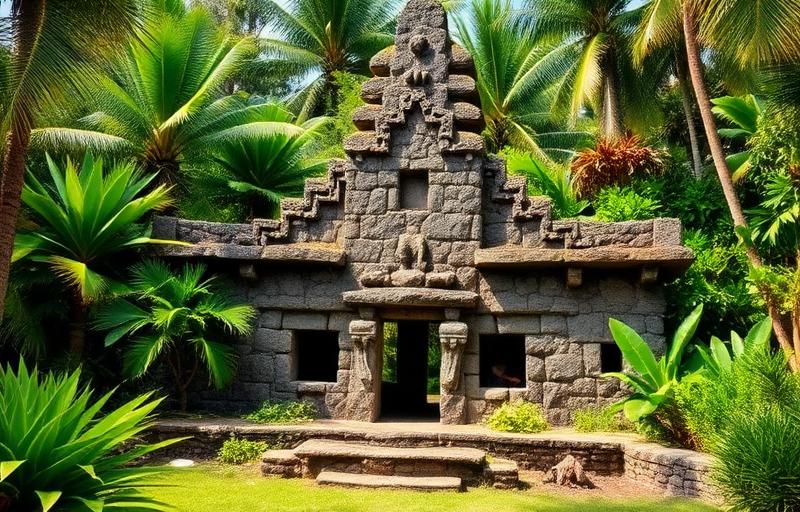
Ancient Marae: Polynesia's Sacred Temples
Marae are ancient stone temple platforms where Polynesians gathered for religious ceremonies, political events, and community rituals.
Must-Visit Marae in French Polynesia
Ready to Plan Your Tahiti & French Polynesia Trip?
As your personal travel agent in San Jose, I handle every detail so you can focus on making memories. Free consultation, no obligation.
Living Traditions You Can Experience
These cultural experiences are available to visitors who seek them out.
- Ori Tahiti (Tahitian dance) — the hip-shaking, storytelling dance is the heart of Polynesian culture. Watch performances at resorts or attend the Heiva i Tahiti festival (July) for competition-level artistry
- Tā moko / Tatau — Polynesian tattooing originated in these islands (the English word 'tattoo' comes from the Tahitian 'tatau'). Visit a traditional tattoo artist in Papeete for an authentic design
- Va'a (outrigger canoe) — Polynesians were the greatest ocean navigators in history. Join a va'a paddling experience to connect with this tradition firsthand
- Polynesian navigation — learn about traditional wayfinding using stars, waves, and wildlife at the Musée de Tahiti et des Îles
- Tapa cloth making — traditional bark cloth art is still practiced. Some cultural centers offer workshops
- Ukulele and himene (hymn singing) — Tahitian church services feature extraordinary harmonized singing that blends Polynesian and Christian traditions
How to Be a Respectful Visitor
Showing respect for Polynesian culture enhances everyone's experience.
- •Ask permission before entering marae — these are sacred spaces, not tourist attractions. Remove shoes and speak quietly
- •Don't sit on or climb marae stones — they have spiritual significance and physical damage is irreversible
- •Learn basic Tahitian greetings: 'Ia ora na' (hello), 'Māuruuru' (thank you), 'Nana' (goodbye)
- •If invited to a local gathering, bring a small gift — fruit, dessert, or something from your home region
- •Dress modestly when visiting villages and churches — cover shoulders and knees out of respect
- •The Heiva i Tahiti festival (July) is the best time to experience authentic Polynesian culture — it's a month-long celebration of dance, music, sport, and craft
Frequently Asked Questions
Ready to Plan Your Tahiti & French Polynesia Trip?
As your personal travel agent in San Jose, I handle every detail so you can focus on making memories. Free consultation, no obligation.
Related Articles
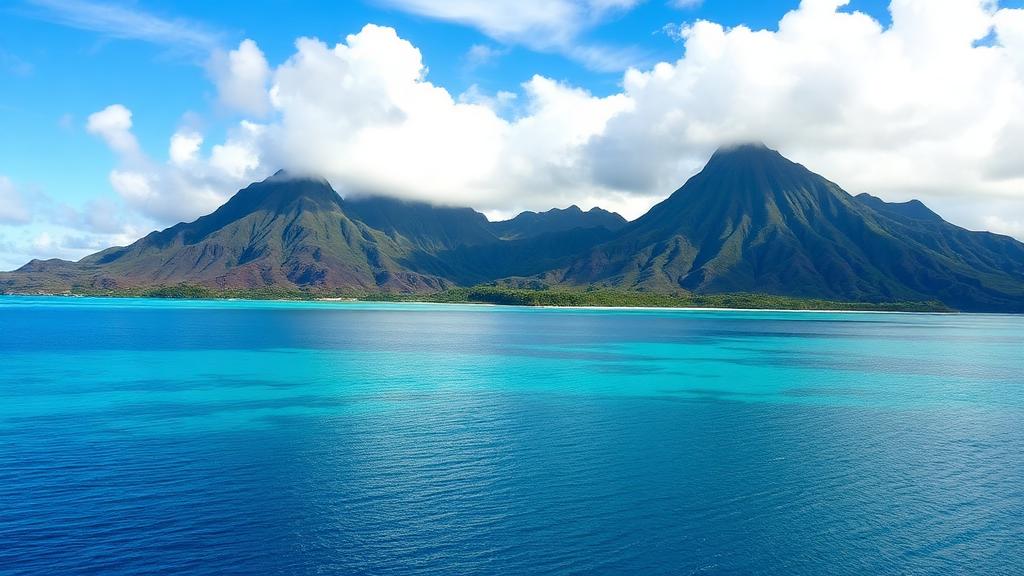
The 5 Islands of Tahiti Most Tourists Never Visit (And Why You Should)
Everyone goes to Bora Bora and Moorea. Here are 5 stunning French Polynesian islands that offer incredible experiences without the crowds.
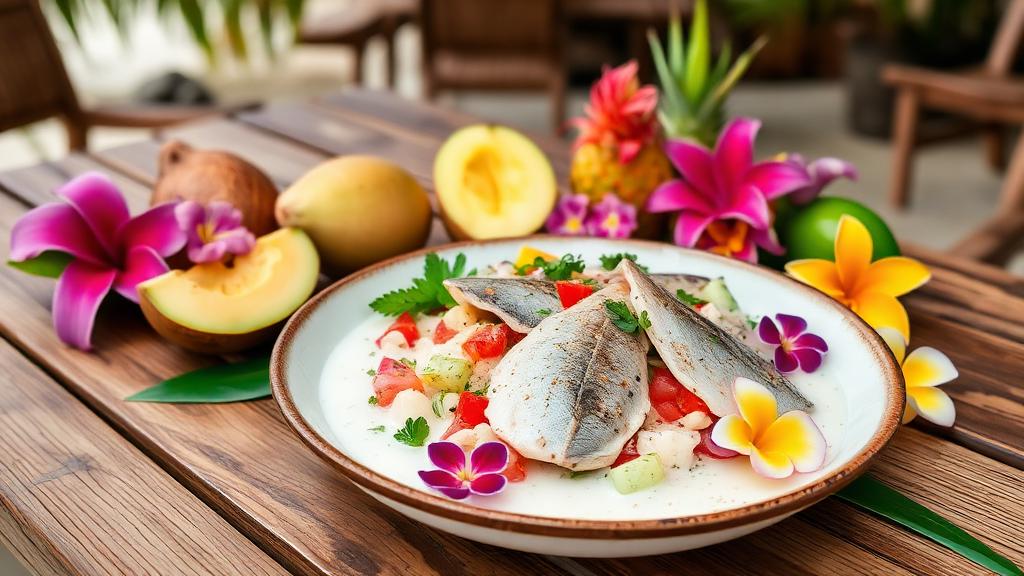
Eating Your Way Through Tahiti: A Foodie's Guide to Polynesian Cuisine
From poisson cru to breadfruit—the essential Polynesian food experiences every visitor should have.
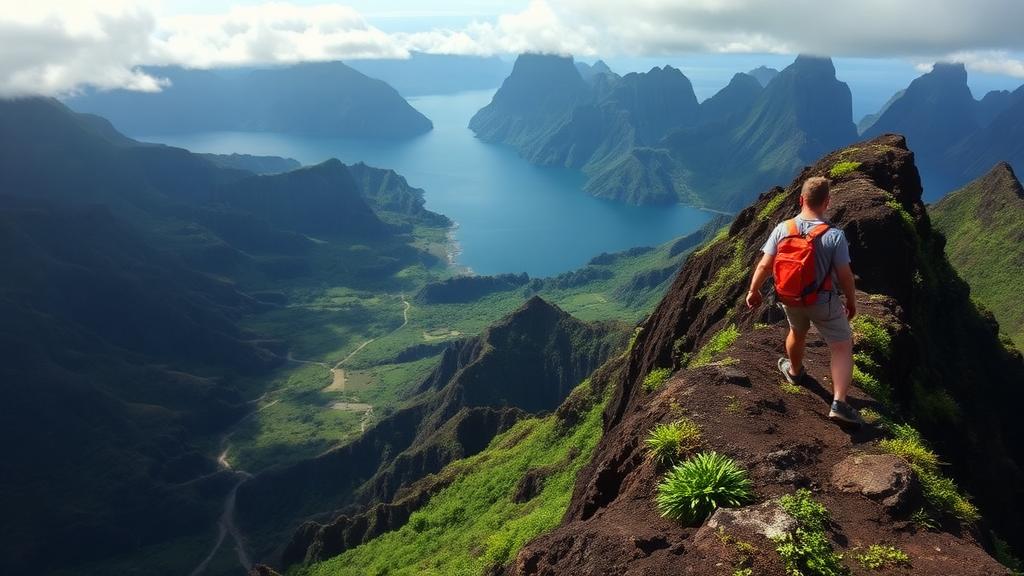
Tahiti Beyond the Beach: Adventures That Will Change Your Perspective
Hiking, diving, cultural tours, and adrenaline activities in French Polynesia.