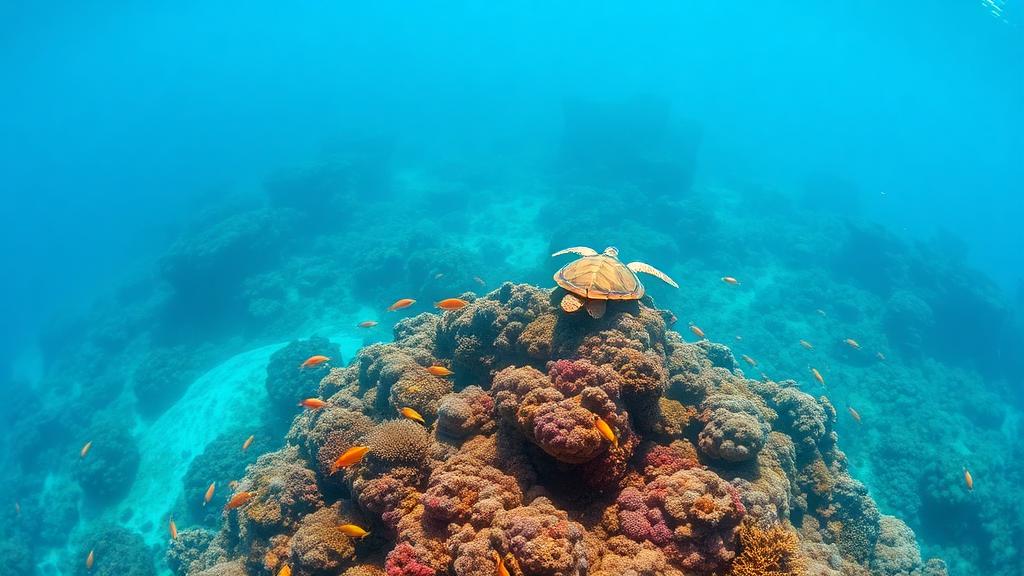
Why Sustainable Travel Matters More in Hawaii Than Anywhere
Hawaii receives over 10 million visitors annually on islands that are home to just 1.4 million residents. That's a 7:1 visitor-to-resident ratio that puts enormous strain on infrastructure, natural resources, and local communities. The Hawaii Tourism Authority actively promotes responsible tourism through their Mālama Hawaiʻi program. Many residents feel the negative impacts of overtourism daily — from traffic gridlock to rising housing costs driven by vacation rentals.
As a travel agent who genuinely loves Hawaii, I believe we have a responsibility to travel in ways that support rather than exploit these incredible islands. Learn about Hawaiian cultural values before you go. The good news? Traveling sustainably in Hawaii doesn't mean sacrificing your experience. It often means having a better, more authentic vacation.
10 Sustainable Travel Practices for Hawaii
These aren't abstract ideas — they're specific, actionable steps that make a real difference.
- Use reef-safe sunscreen (mineral-based with zinc oxide or titanium dioxide) — Hawaii banned oxybenzone and octinoxate in 2021
- Stay at locally-owned hotels and B&Bs instead of mega-resorts when possible — more money stays in the community
- Eat at local restaurants and food trucks rather than chain restaurants — try plate lunch spots and poke counters
- Never touch, stand on, or get too close to coral, sea turtles, monk seals, or spinner dolphins (it's actually illegal)
- Rent a hybrid or electric vehicle — Hawaii has extensive EV charging infrastructure, especially on Maui and Oahu
- Bring a reusable water bottle and shopping bags — Hawaii banned single-use plastics in most counties
- Hike only on marked trails — social trails cause severe erosion in Hawaii's fragile volcanic soil
- Support Native Hawaiian cultural experiences led by Hawaiian practitioners rather than commercial 'luaus'
- Visit less-touristed areas — Molokai, Lanai, and the Big Island's Hamakua Coast need tourism dollars more than Waikiki
- Offset your flight carbon emissions through verified programs like Gold Standard or Terrapass
Ready to Plan Your Hawaii Trip?
As your personal travel agent in San Jose, I handle every detail so you can focus on making memories. Free consultation, no obligation.
Best Eco-Friendly Accommodations
These properties walk the talk on sustainability.
Top Eco-Friendly Hawaii Stays
Frequently Asked Questions
Ready to Plan Your Hawaii Trip?
As your personal travel agent in San Jose, I handle every detail so you can focus on making memories. Free consultation, no obligation.
Related Articles
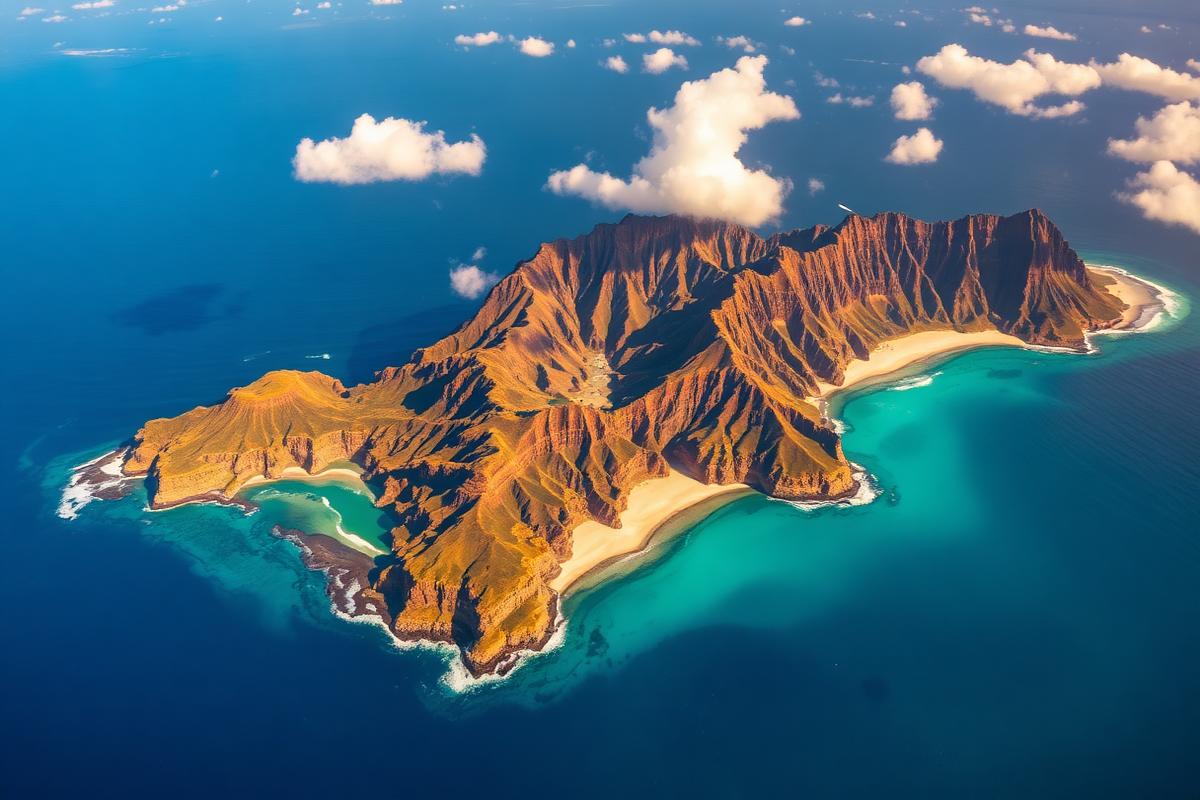
How to Choose Your Hawaiian Island: An Honest Guide
Oahu, Maui, Big Island, or Kauai? Each island has a completely different personality. Here's how to pick the right one based on what actually matters to you.
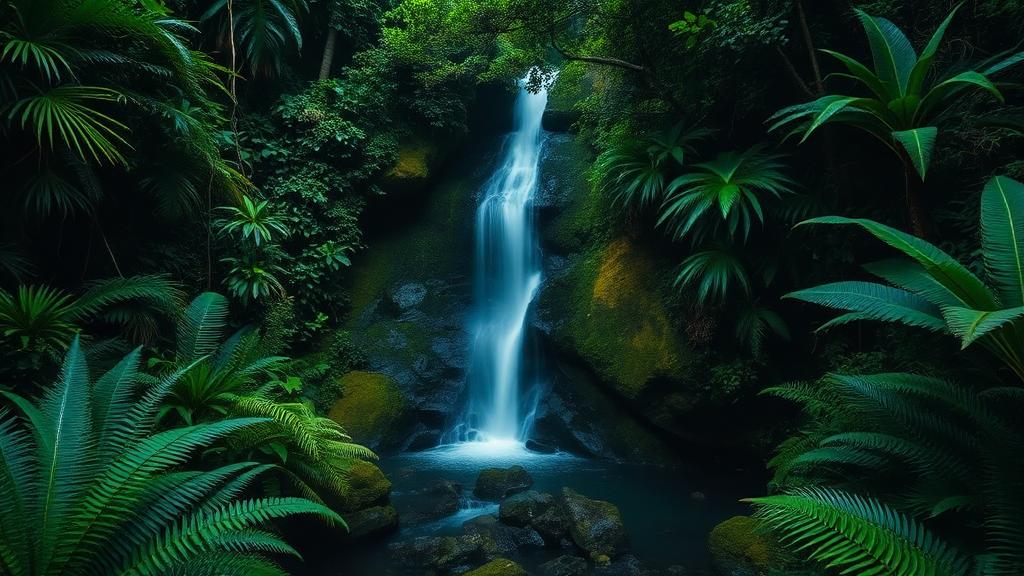
Hidden Gems in Hawaii: The Best Kept Secrets on Every Island
Each Hawaiian island hides incredible spots most tourists never find. Here's an overview of the best hidden gems on Oahu, Maui, the Big Island, and Kauai—with links to our deep-dive guides for each island.
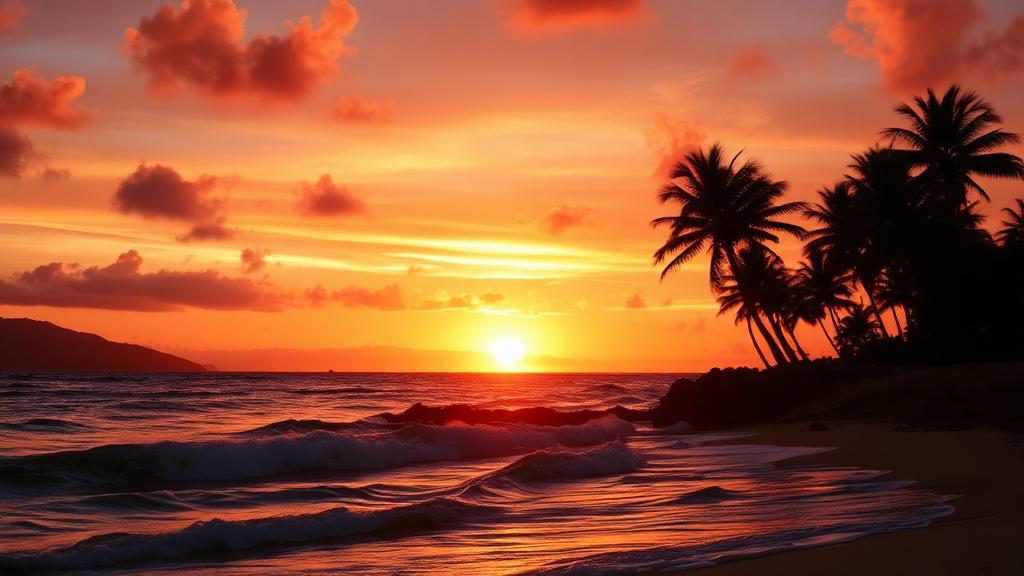
Best Time of Year to Fly from San Jose to Hawaii
A month-by-month breakdown of weather, crowds, pricing, and events to help you pick the perfect time for your Hawaii trip.