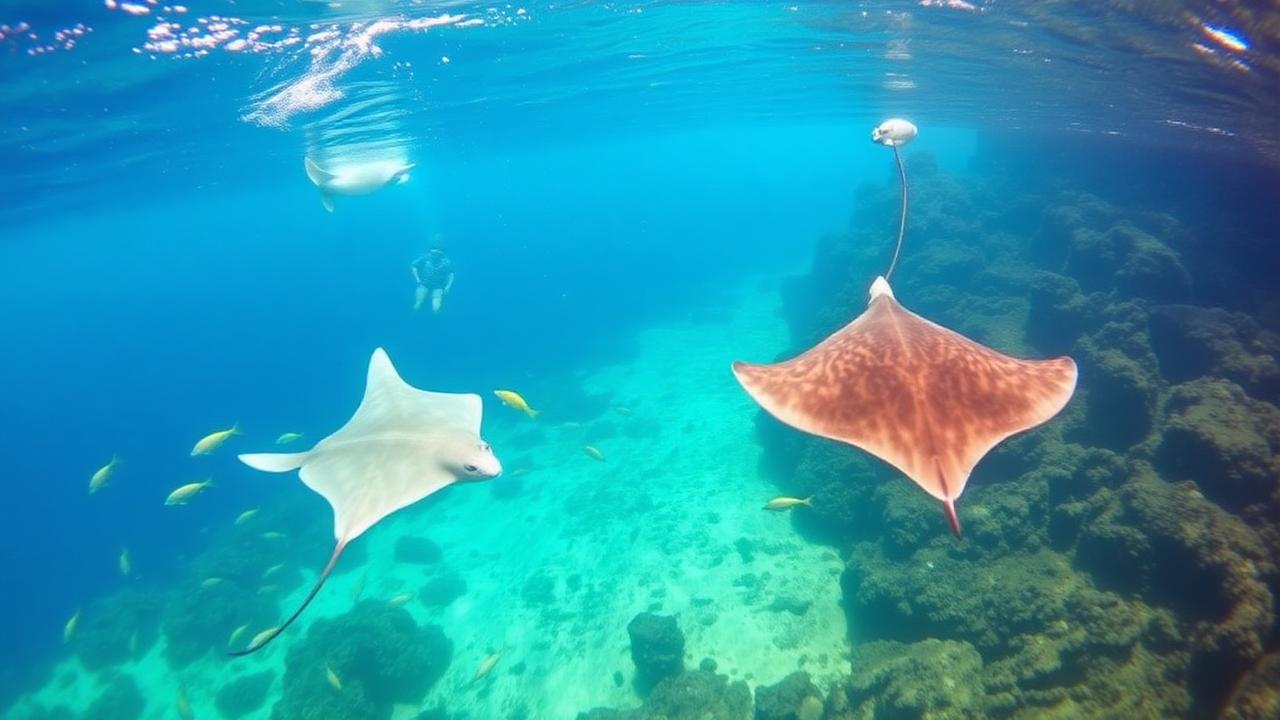
The Big Island: Hawaii's Most Otherworldly Snorkeling
The Big Island's underwater world looks like no other island in Hawaii. Instead of typical tropical reef, you'll swim through volcanic lava formations, explore underwater caves created by ancient lava flows, and encounter marine life that's adapted to this unique terrain.
The Kona coast (west side) is where the magic happens. Protected from trade winds, the waters here are calm and crystal-clear most of the year. The coral has grown over relatively young lava flows, creating dramatic underwater architecture you won't find anywhere else. And then there's the manta rays — the Big Island's signature marine experience that's genuinely life-changing. For more Big Island adventures, see our adventure guide and hidden gems.
Top Snorkeling Spots on the Big Island
Concentrated along the Kona and Kohala coasts for the best conditions.
- Kealakekua Bay (Captain Cook Monument) — One of the best snorkel spots in all of Hawaii. Crystal-clear water, pristine coral, massive schools of tropical fish, spinner dolphins in the mornings. Accessible by kayak, boat tour, or a strenuous hike. Marine preserve with no fishing allowed.
- Two Step (Honaunau Bay) — Named for the natural lava rock 'steps' that make entry easy. Exceptionally clear water with immediate reef access. Sea turtles, reef fish, and occasional dolphins. Free, with basic facilities. Next to Puʻuhonua o Hōnaunau National Historical Park.
- Kahalu'u Beach Park — Kona's most beginner-friendly snorkel spot. Shallow, protected reef with abundant fish and turtles. Lifeguards, parking, restrooms. Can get crowded but the marine life is excellent.
- Mauna Lani Beach (Beach 49/Waialea Bay) — Beautiful white sand beach with good coral reef along the edges. Less crowded than Kahalu'u. Clear water, sea turtles, and reef fish. The Mauna Lani resort area is nearby for post-snorkeling dining.
- Makaiwa Bay (Mauna Lani) — Small, protected bay with excellent coral gardens close to shore. Calm water, easy entry. One of the best-kept secrets on the Kohala coast.
- Pawai Bay — Accessible only by boat or a challenging scramble over lava rock. Pristine conditions with minimal human impact. Dolphins, turtles, and vibrant reef. Worth the effort for experienced snorkelers.
- Hapuna Beach — Famous for being one of Hawaii's best beaches, with decent snorkeling along the rocky edges in calm conditions. The coral isn't exceptional but turtles are common. Great for combining a beach day with casual snorkeling.
- Old Airport Beach Park (Kona) — Local favorite with good reef close to shore. Rocky entry but excellent marine life including octopus, eels, and schools of yellow tang. Free parking, less touristy.
Ready to Plan Your Hawaii Trip?
As your personal travel agent in San Jose, I handle every detail so you can focus on making memories. Free consultation, no obligation.
Manta Ray Night Snorkeling: The Big Island's Bucket-List Experience
This is the single most extraordinary snorkeling experience in Hawaii, and it's only available on the Big Island.
- •What happens: You float face-down on the surface holding a lit surfboard while giant manta rays (6-12 foot wingspan) glide inches below you, doing barrel rolls to filter-feed on plankton attracted by the lights. It's surreal.
- •Where: Off the coast near Keauhou Bay or the Sheraton Kona. Operators take you by boat to known manta feeding sites.
- •Cost: $100-150 per person for a 2-hour experience. Worth every penny. Some people cry (happy tears).
- •Success rate: About 90% of nights, mantas show up. Best conditions are calm, dark nights. Full moons reduce plankton attraction.
- •You don't need to be a strong swimmer — you float on the surface holding a lit board. Even non-swimmers can participate with life vests.
- •Book at least 2 weeks ahead in peak season. Top operators: Sunlight on Water (small groups), Manta Ray Dives of Hawaii (most experienced), Big Island Divers.
- •This experience is genuinely life-changing. I've had grown adults tell me it was the single best experience of their lives. Not exaggerating.
Getting to Captain Cook Monument
Kealakekua Bay is a marine preserve with some of the best snorkeling in Hawaii, but getting there requires planning.
- Kayak (best option) — Rent a kayak in Kailua-Kona and paddle 1-2 hours across the bay. You'll need a permit from the Division of State Parks. Paddle early morning for calm water and spinner dolphin sightings.
- Boat tour — Multiple operators run snorkeling tours to the monument. $80-140/person. Fair Life Charters and Sea Quest are well-reviewed. You'll spend 1-2 hours snorkeling the reef.
- Hike (hardest option) — The Ka'awaloa Trail is a 3.5-mile round trip with 1,400 feet of elevation change. Steep, exposed, and hot. Reward: you'll likely have the monument to yourself. Bring 2+ liters of water.
- What you'll see: pristine coral reef teeming with tropical fish, spinner dolphins in the morning, occasional reef sharks, and visibility that regularly exceeds 100 feet.
Frequently Asked Questions
Ready to Plan Your Hawaii Trip?
As your personal travel agent in San Jose, I handle every detail so you can focus on making memories. Free consultation, no obligation.
Related Articles
Hidden Gems in Hawaii: The Best Kept Secrets on Every Island
Each Hawaiian island hides incredible spots most tourists never find. Here's an overview of the best hidden gems on Oahu, Maui, the Big Island, and Kauai—with links to our deep-dive guides for each island.
Adventure Travel in Hawaii: Best Activities on Every Island
Each Hawaiian island specializes in different adventures. Here's an overview of the best outdoor activities by island, plus links to our detailed island-by-island adventure guides.
Hidden Gems on Oahu: 12 Spots Locals Actually Go
Beyond Waikiki and Diamond Head, Oahu hides incredible beaches, hikes, and food spots that even repeat visitors miss. Here are the places locals go on their days off.