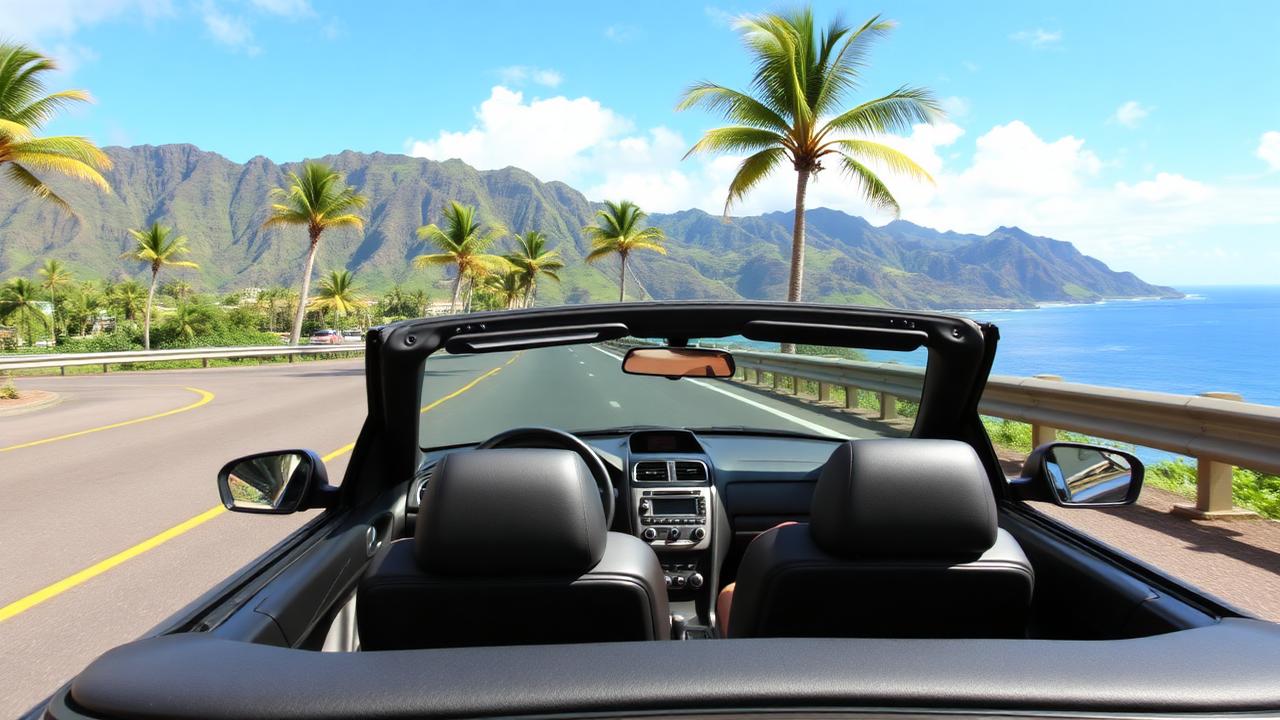
The Hawaii Car Rental Reality Check
Hawaii's car rental market went haywire during the pandemic when rental companies sold off their fleets, then couldn't buy them back fast enough when tourism returned. Prices that used to be $40/day spiked to $200+.
The good news: prices have normalized significantly. The bad news: Hawaii is still more expensive than the mainland for car rentals, and availability during peak season (Christmas, spring break, summer) can be tight. Check Costco Travel for consistently competitive rates.
The most important question isn't 'which rental company' — it's 'do I even need a car?' The answer depends entirely on which island you're visiting.
Do You Need a Car? Island-by-Island Breakdown
This is the first decision that saves or wastes hundreds of dollars.
Car Necessity by Island
Ready to Plan Your Hawaii Trip?
As your personal travel agent in San Jose, I handle every detail so you can focus on making memories. Free consultation, no obligation.
What Car Rentals Actually Cost in Hawaii (2026)
Current market rates based on real booking data. Prices vary by season.
Average Daily Car Rental Rates
How to Save Hundreds on Your Hawaii Car Rental
These strategies are based on years of booking rentals for clients.
- •Book early, then keep checking — most rental companies offer free cancellation. Book as soon as you have flights, then check weekly for price drops and rebook at the lower rate.
- •Compare Costco Travel, AutoSlash, and direct booking sites — Costco Travel consistently has Hawaii's best rental prices, often 20-30% below everyone else. AutoSlash monitors prices and alerts you to drops.
- •Skip the airport location — off-airport locations (often a free shuttle ride away) can be 15-30% cheaper. Same companies, same cars, lower fees.
- •Decline the insurance if your credit card covers it — most premium credit cards (Chase Sapphire, Amex Platinum) include primary car rental insurance. Check your card benefits before paying $25-40/day for CDW.
- •Consider Turo — peer-to-peer car rental often beats traditional companies, especially for longer stays. Monthly rates on Turo can save 30-50%. Check reviews carefully.
- •Book the smallest car class — you don't need an SUV in Hawaii. A compact car handles every road including the Road to Hana. Upgrade to a Jeep only if you specifically want open-air driving.
- •Fill up before returning — airport gas stations charge $1-2/gallon more than regular stations. The Costco gas in each island's main town is the cheapest option.
- •Weekly rates are almost always better than daily rates, even if you return early. A 5-day trip may be cheaper booked as a 7-day rental.
Hawaii Driving Tips Most Visitors Don't Know
Driving in Hawaii is different from the mainland in several important ways.
- Speed limits are low (25-55 mph) and enforced. Locals drive slower than the posted limit. Tailgating will earn you hostile looks — chill out, you're in Hawaii.
- The 'shaka wave' — when someone lets you merge or turn, give them a shaka (hang loose hand gesture). It's the local equivalent of a thank-you wave and very much expected.
- One-lane bridges (especially on Road to Hana and Kauai's North Shore) — the car closest to the bridge goes first. Wait for the other side to clear. Don't try to race through.
- Roosters, chickens, and mongooses will be on the road. Slow down in residential areas. Kauai has wild chickens literally everywhere.
- Never leave valuables in your car — break-ins at trailheads and beach parking lots are common on every island. Take everything with you or leave the car completely empty with doors unlocked (debated strategy).
- Gas is expensive everywhere in Hawaii ($4.50-5.50/gallon). Budget accordingly. Costco has the cheapest gas on every island.
- 4WD is only necessary for Mauna Kea summit on the Big Island. Every other road is accessible with a regular sedan, including the Road to Hana despite what rental companies imply.
Alternatives to Renting a Car
Depending on your island and plans, you might not need a rental car at all.
- TheBus (Oahu only) — Hawaii's only real public transit system. $80/month pass or $3/ride. Routes cover Waikiki, Diamond Head, North Shore, Pearl Harbor, and most tourist areas. Surprisingly effective.
- Rideshare (Uber/Lyft) — Available on all islands but most reliable on Oahu. Prices are 30-50% higher than mainland. Wait times on neighbor islands can be 15-30 minutes. Works for occasional trips but adds up fast.
- Hotel shuttles — Many resorts offer free shuttles to airports, shopping areas, and popular attractions. Ask at booking.
- Tour vans — If your main reason for a car is the Road to Hana or Volcanoes National Park, consider a guided tour instead. Someone else drives while you enjoy the scenery.
- E-bikes and moped rentals — Growing in popularity, especially on Oahu and Maui. $30-60/day for an e-bike. Great for resort areas and short distances.
- Walking — In resort areas (Waikiki, Ka'anapali, Poipu, Waikoloa), you can walk to beaches, restaurants, and shops. Don't underestimate how much you can do on foot.
Frequently Asked Questions
Ready to Plan Your Hawaii Trip?
As your personal travel agent in San Jose, I handle every detail so you can focus on making memories. Free consultation, no obligation.
Related Articles
How to Choose Your Hawaiian Island: An Honest Guide
Oahu, Maui, Big Island, or Kauai? Each island has a completely different personality. Here's how to pick the right one based on what actually matters to you.

Best Time of Year to Fly from San Jose to Hawaii
A month-by-month breakdown of weather, crowds, pricing, and events to help you pick the perfect time for your Hawaii trip.
Direct Flights from SJC to Hawaii: Everything You Need to Know
Complete guide to airlines, routes, schedules, and fares for direct Hawaii flights from San Jose International Airport.