Why Germany Is Europe's Green Travel Leader
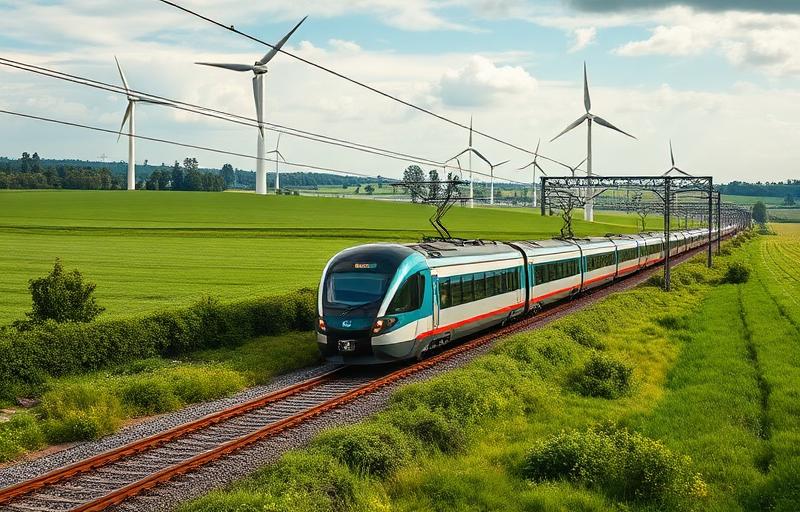
Germany has the best sustainable travel infrastructure in Europe — possibly the world. The train network reaches virtually every town, bike paths span thousands of kilometers, organic food is mainstream (not a niche luxury), and environmental consciousness is deeply embedded in German culture.
For Bay Area travelers who care about their carbon footprint, Germany is the easiest European country to explore sustainably without sacrificing comfort or convenience. In fact, green travel in Germany is often the more convenient option.
Getting Around Sustainably
Germany's public transport makes car-free travel not just possible but preferable.
Green Transportation Options
Ready to Plan Your Germany Trip?
As your personal travel agent in San Jose, I handle every detail so you can focus on making memories. Free consultation, no obligation.
Eco-Friendly Accommodation
Germany has excellent sustainable accommodation options at every price point.
- Bio-Hotels — Germany has a certified network of organic hotels committed to sustainability. Organic food, renewable energy, eco-certified cleaning products
- Farm stays (Bauernhof) — stay on working organic farms in Bavaria or the Black Forest. Fresh eggs for breakfast, farm tours, and stunning countryside. $60-120/night
- Jugendherbergen (youth hostels) — Germany's DJH hostels are well-maintained, eco-conscious, and welcome all ages. $25-60/night
- 25hours Hotels — urban boutique chain with strong sustainability commitments. Locations in Berlin, Hamburg, Munich, Cologne
- Camping — Germany has 3,000+ campsites, many with excellent facilities. Wild camping is generally prohibited but 'Trekkingplätze' (trail camps) exist in some forests
Practical Green Travel Tips
Easy ways to reduce your environmental impact while traveling in Germany.
- •Bring a reusable water bottle — German tap water is excellent and safe to drink everywhere
- •Use the Pfand system — Germany's bottle deposit system (€0.25/bottle) means you return bottles at any supermarket for a refund
- •Shop at weekly markets (Wochenmärkte) — every German town has one. Local, seasonal, minimal packaging
- •Take the train instead of flying within Germany — Berlin to Munich by ICE takes 4 hours and emits 90% less CO2 than a flight
- •Eat seasonal and regional — German restaurants increasingly highlight local sourcing. Look for 'regional' or 'saisonal' on menus
- •Pack a shopping bag — German supermarkets charge for bags (€0.10-0.50). Bring your own
Frequently Asked Questions
Ready to Plan Your Germany Trip?
As your personal travel agent in San Jose, I handle every detail so you can focus on making memories. Free consultation, no obligation.
Related Articles
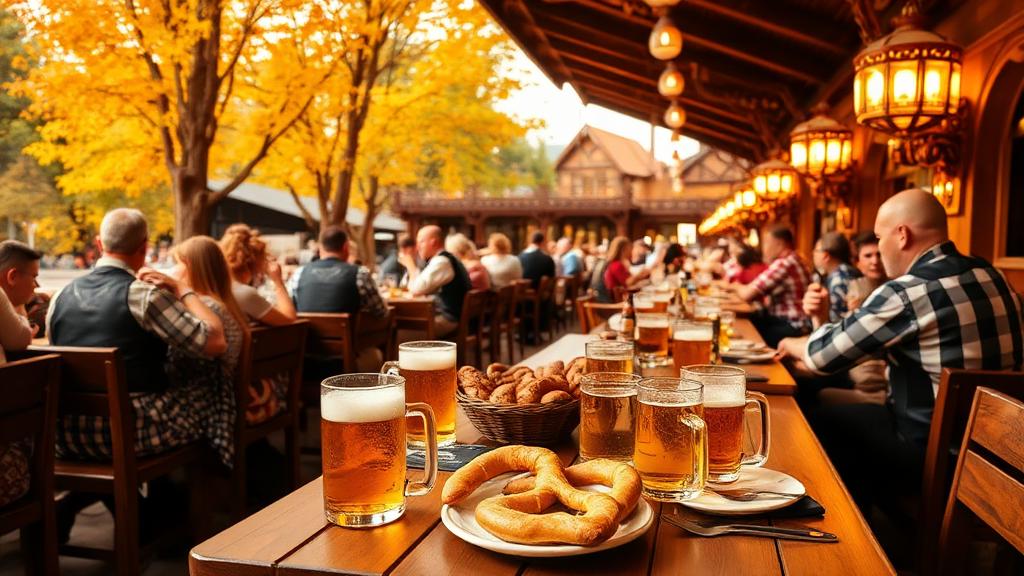
Eating Your Way Through Germany: Regional Specialties You Must Try
From Bavarian pretzels to Rhineland sauerbraten—a food lover's region-by-region guide to Germany's incredible culinary traditions.

Beyond Oktoberfest: Germany's Year-Round Festival Calendar
Germany throws incredible festivals every month of the year. Here's your month-by-month guide to the celebrations most tourists never hear about.
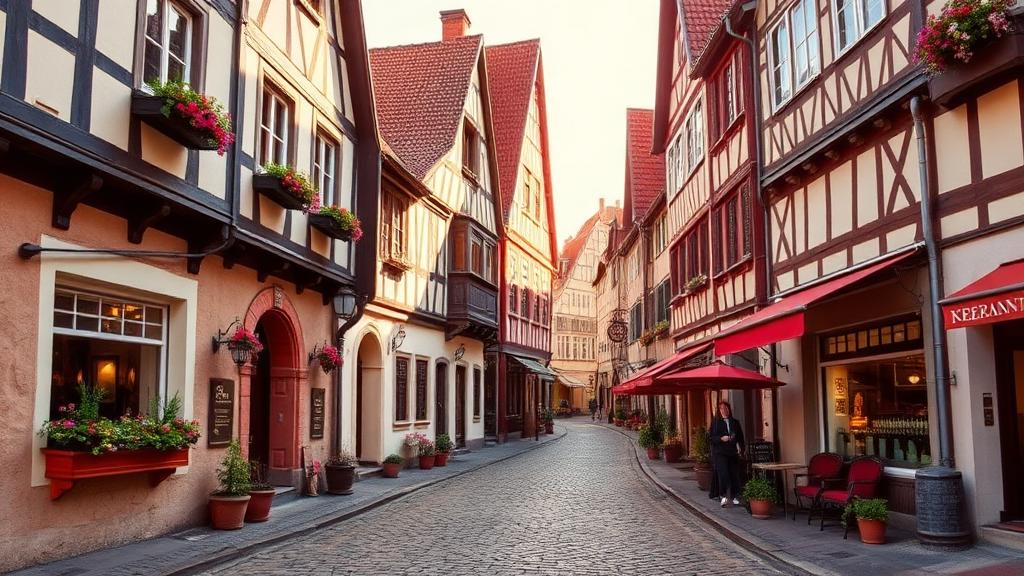
Budget Travel in Germany: How to Experience Luxury for Less
Smart strategies for experiencing Germany's best food, culture, and scenery without breaking the bank.