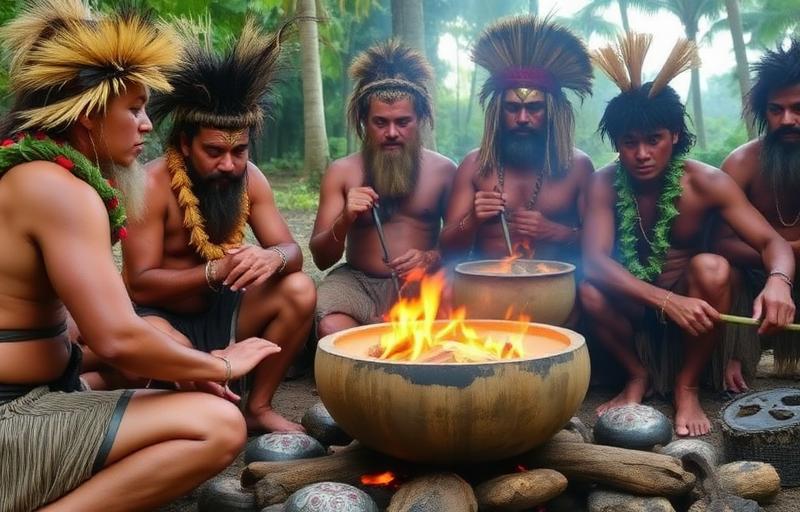
Fiji's Traditions Are Living, Not Museum Pieces
Unlike many tourist destinations where 'cultural experiences' feel staged, Fiji's traditional ceremonies are living, breathing parts of daily life. Kava ceremonies happen every evening in villages across the country. Fire walking (vilavilairevo) is practiced by the Sawau tribe of Beqa Island as it has been for centuries.
Understanding these traditions before you encounter them transforms a 'tourist show' into a genuinely meaningful experience. When you know why the chief drinks first, why the fire walkers chant, and what the kava ceremony represents, you connect with one of the Pacific's oldest continuous cultures.
The Kava Ceremony: What You Need to Know
Kava (yaqona) is central to Fijian social and spiritual life.
Kava Ceremony Protocol
Dried kava root is ground and mixed with water in a tanoa (large wooden bowl)
The chief (or highest-ranking person) always drinks first. Clap once, say 'Bula!'
Accept the bilo (coconut shell cup), clap once, drink it all, then clap three times
After the formal rounds, kava continues informally with storytelling and laughter
Ready to Plan Your Fiji Trip?
As your personal travel agent in San Jose, I handle every detail so you can focus on making memories. Free consultation, no obligation.
Fire Walking: The Vilavilairevo
Fire walking is one of Fiji's most awe-inspiring traditions, practiced exclusively by the Sawau tribe of Beqa Island.
- Origin legend: A warrior caught a spirit god who granted the Sawau tribe the ability to walk on white-hot stones as payment for his release
- The ceremony involves heating river stones in a massive fire for hours until they glow white — temperatures exceed 700°F
- Sawau men walk barefoot across the stones without burning — visitors and scientists have documented this for over a century
- Fire walkers observe strict taboos before the ceremony: no coconut, no contact with women, and spiritual preparation
- You can witness fire walking at several resorts on the Coral Coast and at cultural centers. The Beqa Lagoon Resort offers the most authentic version
- Never attempt to walk on the stones yourself — this is sacred to the Sawau people, and the invitation is not extended to visitors
Other Cultural Ceremonies Worth Experiencing
Beyond kava and fire walking, Fiji has rich ceremonial traditions.
- •Meke (traditional dance) — storytelling through dance and song, performed at resorts and villages. The war dance (meke wesi) is particularly powerful
- •Lovo feast — food cooked in an underground earth oven. Whole pigs, fish wrapped in banana leaves, root vegetables. The Fijian equivalent of a Hawaiian luau
- •Sevusevu — the kava-presenting ceremony performed when entering a village. Participating in one is an honor
- •Tabua ceremony — presentation of a whale's tooth (tabua), Fiji's most valuable traditional object. Reserved for the most important occasions
- •Sunday church services — Fijians take church seriously, with incredible harmonized singing. Visitors are welcome (dress modestly)
Frequently Asked Questions
Ready to Plan Your Fiji Trip?
As your personal travel agent in San Jose, I handle every detail so you can focus on making memories. Free consultation, no obligation.
Related Articles
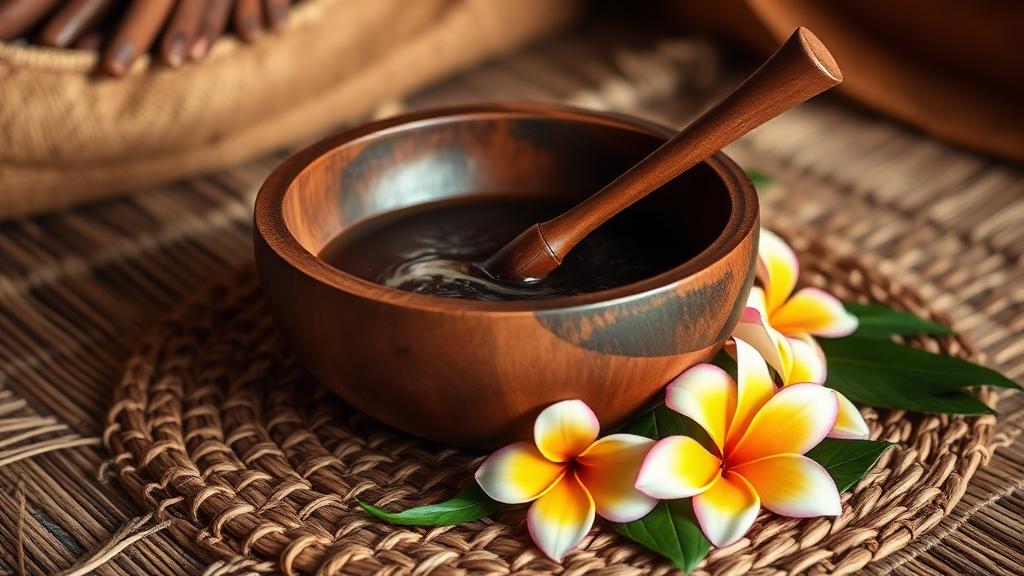
Beyond the Beach: 7 Cultural Experiences You Can't Miss in Fiji
Village visits, kava ceremonies, traditional cooking, and the cultural depth that makes Fiji so much more than beautiful beaches.
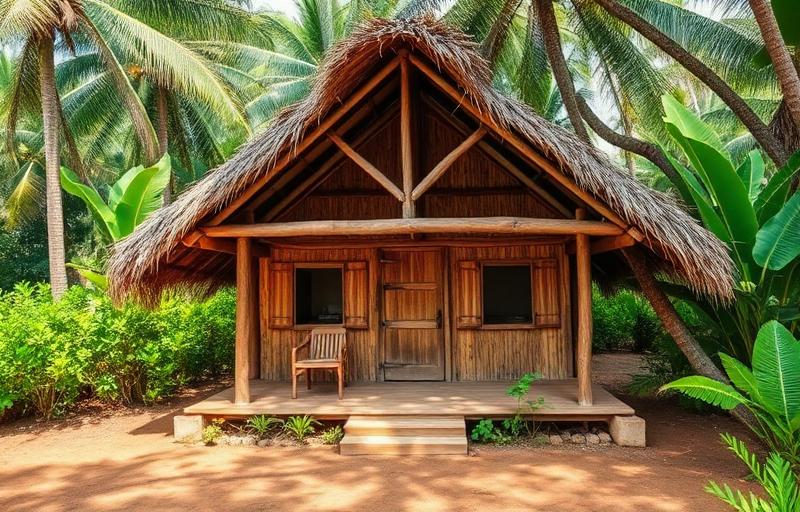
Fijian Village Homestays: Authentic Cultural Immersion Beyond Resort Walls
Experience real Fijian life through village homestays and community tourism.
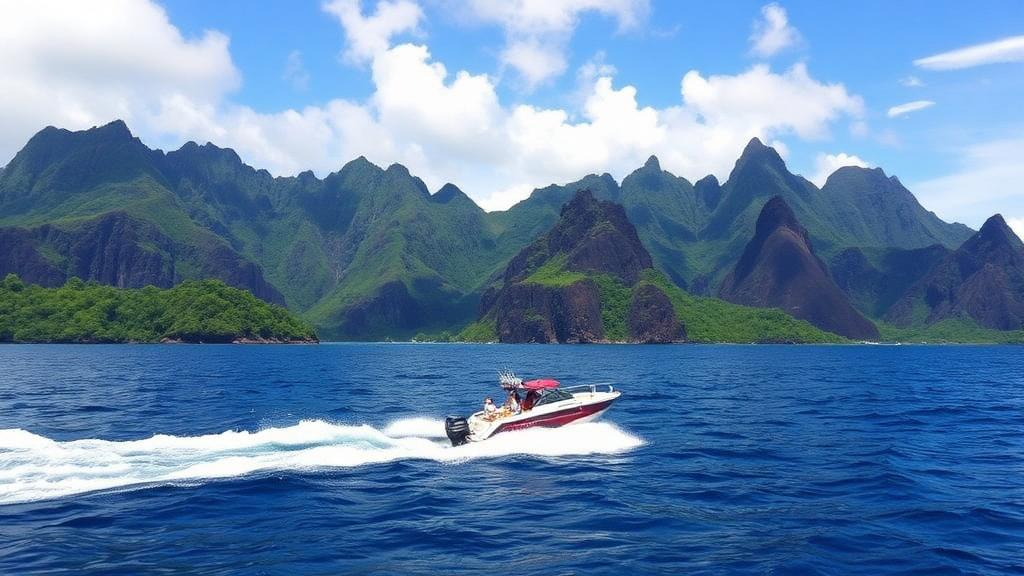
Island Hopping in Fiji: Creating the Perfect Multi-Island Itinerary
How to combine multiple Fijian islands for the ultimate South Pacific adventure.